
Your Bedroom Shouldn’t Sound Like a Concert Hall (And Fixing It Doesn’t Have to Cost a Fortune)
Effective cheap soundproofing is more achievable than most people think — and you don’t need to gut your walls or cover every surface in grey foam tiles to get real results.
Here are the most effective budget options to get you started:
- Seal gaps first — weatherstripping tape and door draft stoppers (often under $15) stop the most sound leakage
- Add mass to walls — moving blankets, mass-loaded vinyl, or a bookshelf packed with books all help block noise
- Absorb internal echo — acoustic foam panels or DIY Rockwool panels cut reverberation noticeably
- Layer your floors — a thick rug with a felt underlayment can reduce floor noise transmission by up to 50%
- Cover windows — heavy curtains made from dense fabric can cut noise levels by around 50%
Noise isn’t just annoying. Research links ongoing noise exposure to higher stress levels, disrupted sleep, elevated blood pressure, and even heart disease. In England alone, there’s roughly one noise complaint for every 160 people — and around 20% of people globally live in areas where traffic noise reaches levels considered harmful to health.
The good news? You don’t need to spend thousands to make a meaningful difference.
Most noise enters a room through gaps, not walls. A gap covering just 1% of a door or window can leak up to 30% of the sound coming through — and a 5% gap leaks a staggering 90%. That means a $10 roll of weatherstripping tape can outperform a $200 foam panel if your door has a visible gap at the bottom.
This guide walks you through the best affordable materials, simple DIY fixes, and smart repurposing tricks — all designed for real bedrooms, real budgets, and yes, rooms that still look good.
Understanding the Basics: Soundproofing vs. Sound Absorption
Before we start buying materials, we need to clear up a common confusion. Many people buy acoustic foam thinking it will block the sound of their neighbor’s dog, only to be disappointed. To achieve effective cheap soundproofing, you must understand the difference between blocking sound and absorbing it.
Soundproofing (Blocking) is about stopping sound from entering or leaving a room. This requires mass and density. Think of it like waterproofing a boat; you are trying to create a barrier that sound cannot penetrate. This is how you deal with “airborne noise” (talking, music, traffic) and “impact noise” (footsteps, vibrations).
Sound Absorption is about improving the sound quality inside the room. It reduces echoes and reverberation (that “hollow” sound in an empty room). Materials like foam or fabric catch sound waves and prevent them from bouncing off hard surfaces.
For a truly quiet bedroom, we usually need a bit of both. You can read more about these distinctions in our guide Silence is golden: DIY bedroom soundproofing for the frugal homeowner and discover more Easy DIY soundproofing hacks to balance these two needs.
Identifying Your Noise Sources
We always recommend doing a “noise audit” before spending a dime. Is the noise coming from the street (traffic hum)? Is it coming through a shared wall (noisy neighbors)? Or is it just an internal echo making your own TV sound too loud?
A quick trick is the “glass to the wall” method—place a glass against the wall and listen. If the sound is clear, the wall is the culprit. If the sound seems to be coming from the edges of the room, you likely have “leaks” around windows or doors. You can also use free decibel meter apps on your smartphone to measure noise levels before and after your DIY projects. For those in tight quarters, check out our Soundproofing tricks for small apartments for specific advice on urban noise.
Top 5 Materials for Effective Cheap Soundproofing
If you’re ready to invest in some specialized materials, these five offer the best “bang for your buck.”
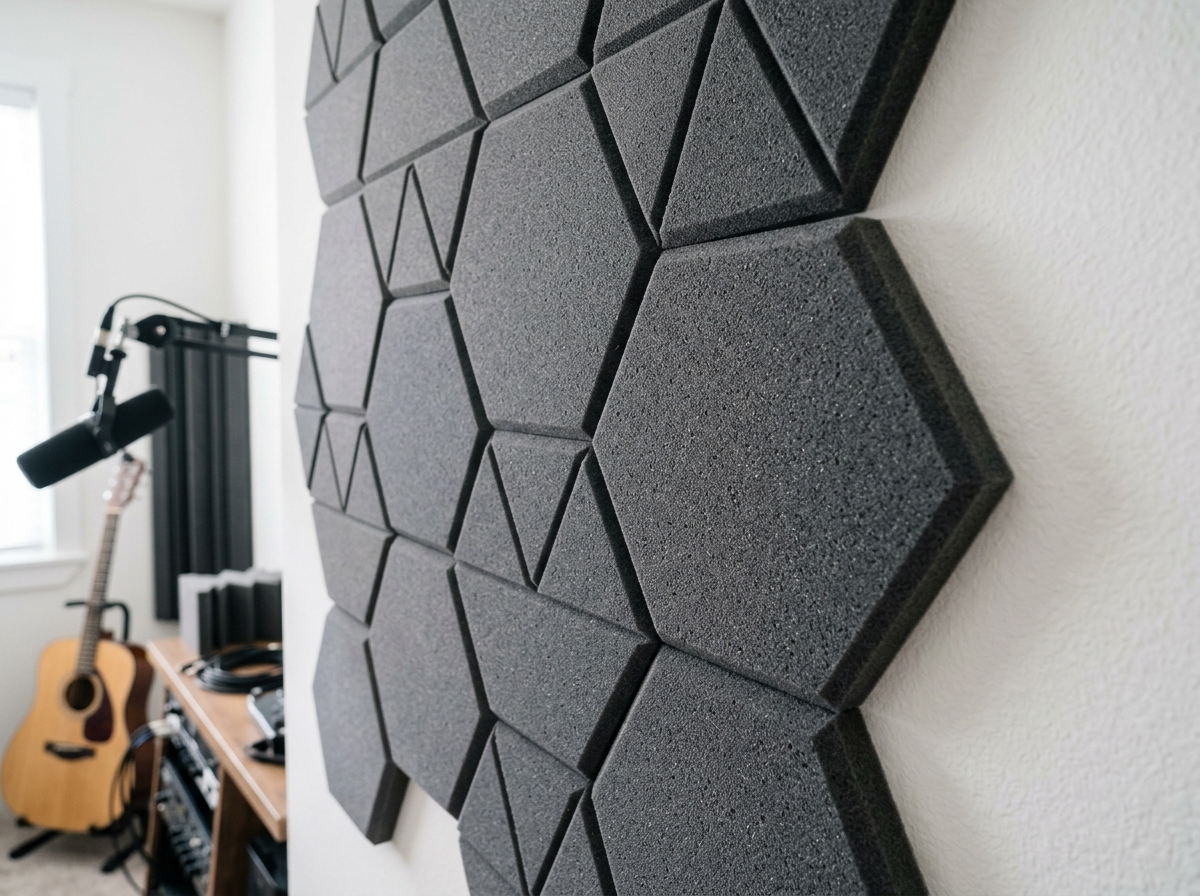
- Acoustic Foam Panels: These are the classic choice for reducing echoes. High-density options like VEVOR Acoustic Foam Panels for Soundproofing—30kg/m³ Density are excellent for mid-to-high frequency absorption. They are lightweight and easy to install with spray adhesive or command strips.
- Sound-Deadening Kits: For localized vibrations or thin spots, products like the Multi-Use Sound-Deadening Kit with 3.7 sq. ft. Black Stealth Foil work wonders. These are often used in cars but are perfect for dampening the hum of appliances or thin metal doors.
- Mass-Loaded Vinyl (MLV): This is a heavy, flexible material that adds significant mass to walls or doors without the bulk of extra drywall. It’s one of the most effective ways to block airborne noise.
- Weatherstripping Tape: This is the unsung hero of effective cheap soundproofing. It’s a simple foam or rubber tape used to seal the gaps around window frames and door jambs.
- Acoustic Blankets: Thicker and denser than your average comforter, these can be hung over doors or windows to provide both absorption and a surprising amount of sound blocking.
If you’re looking for even more budget-friendly alternatives, we’ve compiled a list of Alternatives to expensive soundproofing foam that might surprise you.
Strategic Layering for Maximum Results
One secret we’ve learned at TechAvanco is that one thick layer is rarely as effective as two different thin layers. This is called “layering for mass.” By combining different materials—like MLV behind a decorative panel—you create a “damping” effect that dissipates sound energy as it tries to pass through different densities.
Using products like Green Glue between two layers of material can further dampen vibrations, turning sound energy into small amounts of heat. This is a pro-level move that you can do yourself. Explore more Homemade methods for soundproofing to see how layering works in practice.
DIY Hacks to Seal the Leaks
Remember the 1% gap rule? If you don’t seal the leaks, you’re wasting your time on the walls.
The Door Sweep: Most bedroom doors have a significant gap at the bottom to allow for airflow. Unfortunately, this is a highway for sound. Installing a simple adhesive door sweep can reduce noise by up to 25 dB when combined with a solid-core door.
Acoustic Caulk: Unlike regular caulk, acoustic caulk stays flexible over time. This means it won’t crack as your house shifts, keeping the seal airtight. Use it around window frames, baseboards, and even behind electrical outlet covers.
Window Inserts: If traffic noise is your nemesis, consider DIY window inserts. You can use acrylic sheets or even custom-fit foam plugs that you only put in at night. For more window-specific tips, check out our guide on Window soundproofing solutions that wont break the bank.
Outlet Gaskets: It sounds minor, but sound travels through the holes in your walls for electrical outlets. Small foam gaskets that fit behind the faceplate are an incredibly cheap way to stop these “micro-leaks.” Learn more about Soundproofing doors without overspending to tackle the biggest leak in your room.
Renter-Friendly Removable Options
We know many of our readers can’t go drilling holes or gluing foam to the walls. If you’re renting, focus on “soft” solutions:
- Draft Stoppers: These plush tubes sit at the base of your door and can be moved easily.
- Command Strips: Use these to hang lightweight acoustic foam or even framed art that has been stuffed with insulation.
- Acoustic Blankets: You can hang these using tension rods in window frames or over doors, making them 100% removable.
For a deeper dive into this approach, see Blanket soundproofing: a DIY approach.
Repurposing What You Already Own
You might already have effective cheap soundproofing materials in your house right now. The goal is to fill the room with “soft” and “dense” objects.
| Household Item | Professional Equivalent | Soundproofing Benefit |
|---|---|---|
| Bookshelf (Full) | Acoustic Wall Panel | Adds mass to block neighbor noise |
| Thick Area Rug | Floor Underlayment | Reduces impact noise (footsteps) |
| Heavy Drapes | Soundproof Curtains | Absorbs window reflections and blocks light |
| Large Sofa | Bass Trap | Absorbs low-frequency rumbles |
| Moving Blankets | Acoustic Blankets | High NRC (absorption) rating |
Bookshelves: A floor-to-ceiling bookshelf filled with dense books is one of the best sound barriers you can build. It adds massive weight to a shared wall. Pro tip: Use hardwood bookshelves for blocking noise and softer woods (like MDF or pine) for better internal absorption.
Rugs and Felt Pads: A thick, high-pile rug is great, but the real magic happens with the underlayment. A dense felt rug pad can cut noise transmission through the floor by up to 50%. This is essential if you have downstairs neighbors. For more floor tips, see Affordable floor solutions for better soundproofing and our Cheap methods to absorb sound.
Aesthetic Sound Dampening with Decor
You don’t have to sacrifice style for silence. In fact, a “maximalist” decor style is naturally better for acoustics.
- Thick Curtains: Look for velvet or blackout curtains that weigh between 12 oz and 18 oz per yard. Ensure they have “100% fullness”—meaning the curtains are twice as wide as the window—to create deep folds that trap sound.
- Indoor Plants: Plants with thick leaves or rough bark (like a Ficus or Rubber Tree) can actually scatter sound waves, reducing the “slap back” echo in a room.
- Wall Tapestries: Hanging a heavy fabric tapestry is a stylish way to cover hard wall surfaces. You can even hide a layer of moving blankets behind the tapestry for a hidden sound-blocking boost.
Learn How to reduce reverb cheaply by using your existing home decor to your advantage.
Step-by-Step: Building Your Own Professional Acoustic Panels
If you want the performance of a recording studio without the price tag, DIY acoustic panels are the answer. Commercial panels can cost $150 each, but you can build your own for under $20.
Materials Needed:
- Insulation: Rockwool Safe ‘n’ Sound is the gold standard. It’s dense, fire-resistant, and specifically designed for acoustics.
- Wood Frames: Simple 1×4 furring strips from a hardware store.
- Breathable Fabric: 100% cotton or burlap works best. If you can blow through the fabric, sound can get through it to be absorbed.
The Process:
- Build the Frame: Create a simple rectangular box to fit your insulation slab (usually 15.25″ x 47″).
- Add Fabric: Stretch your fabric over the frame and staple it to the back, like a canvas.
- Insert Insulation: Slide the Rockwool into the frame. Safety tip: Always wear gloves, long sleeves, and a mask when handling mineral wool!
- Seal the Back: Staple a cheap piece of fabric over the back to keep the fibers contained.
- Hang: Use French cleats or heavy-duty picture wire to mount them at “reflection points” (where sound hits the wall first).
For a detailed walkthrough, check out our DIY soundproofing acoustic panels for beginners and our guide on how to Ditch the noise: affordable ways to soundproof your home studio.
Measuring the Success of Your Effective Cheap Soundproofing
How do you know if it worked? Beyond just “feeling” quieter, you can use decibel apps to track the difference. A 3 dB reduction is noticeable, while a 10 dB reduction is perceived as cutting the noise in half.
You don’t need to cover every inch of your walls. Covering just 20% to 30% of the surface area with absorbent materials is usually enough to kill echoes and make a room feel significantly more “dead” and peaceful. For more technical tips, read How to reduce noise in a small studio.
Frequently Asked Questions about Effective Cheap Soundproofing
How much wall coverage do I actually need?
As mentioned, 20% to 30% coverage is the “sweet spot” for most rooms. Focus on the “first reflection points”—the spots on the wall directly between you and the noise source. If you’re setting up a home office or studio, check our Guide to cheap studio soundproofing for placement diagrams.
Can plants and rugs really block neighbor noise?
They won’t block it completely (remember, blocking requires mass!), but they are excellent at reducing “impact noise” and high-frequency chatter. A rug with a thick pad can reduce the sound of footsteps by up to 50%. For more on this, see Bedroom noise reduction techniques on a budget.
What are common mistakes in effective cheap soundproofing?
The biggest mistake is ignoring the gaps. You can have the thickest walls in the world, but if there’s a gap under the door, the sound will pour through like water. Another mistake is compressing your insulation; if you squeeze Rockwool too tightly into a frame, it loses its ability to trap sound waves. Finally, don’t over-rely on thin egg-crate foam—it’s only good for high-frequency echoes, not blocking your neighbor’s bass. Avoid these pitfalls by reading Easy DIY soundproofing hacks-2.
Conclusion
At TechAvanco, we believe that a quiet home is a fundamental part of a healthy lifestyle. Whether you are trying to sleep through city traffic or need a focused home office, effective cheap soundproofing is within your reach. By starting with the “leaks,” adding mass strategically, and using a few DIY tricks like Rockwool panels or heavy curtains, you can transform your space without breaking the bank.
Ready to silence the chaos? Start your quiet home journey today with more of our practical guides!
