
The Essential Guide to Studio Foam and Wedge Panels
Why Every Home Studio Needs Acoustic Foam Treatment
Acoustic foam studio setups are one of the most affordable ways to dramatically improve your recording quality at home. Here’s a quick summary of what you need to know:
- What it does: Acoustic foam absorbs sound waves, reducing echo, reverb, and unwanted reflections inside a room
- What it doesn’t do: It does not stop sound from traveling through walls (that’s soundproofing — a different thing entirely)
- Best foam thickness: 2″ panels work for most home studios; go 4″ for better low-frequency control
- Coverage needed: Treat roughly 20-30% of your wall surface area to hear a noticeable difference
- Key metric to know: Look for an NRC (Noise Reduction Coefficient) rating — higher means more absorption (0.70+ is solid for home use)
If you’ve ever recorded audio at home and cringed at the hollow, echoey sound in your playback, you already know the problem. Bare walls, hard floors, and parallel surfaces are the enemy of clean audio.
The good news? You don’t need to spend thousands on a professional studio build. Open-cell polyurethane acoustic foam panels — the kind you’ve seen lining the walls of recording studios — can make a real, measurable difference in your room’s sound, often for well under $100.
This guide walks you through exactly how to choose, plan, and install acoustic foam so your home recordings sound cleaner, clearer, and more professional.
The Science of Sound Absorption in an Acoustic Foam Studio
To understand why an acoustic foam studio sounds so much better than a regular room, we have to look at the physics of sound. When you speak or play an instrument, sound waves travel through the air and hit the hard surfaces of your walls. In an untreated room, these waves bounce back like a rubber ball, creating “slap-back” echoes and a muddy “room ring.”
Acoustic foam is made of open-cell polyurethane. Unlike closed-cell foam (like a pool noodle), open-cell foam is full of tiny, interconnected air pockets. When sound waves enter the foam, they get trapped in these pores. The friction between the moving air molecules and the foam cell walls converts the sound energy into a tiny amount of heat. This process is known as porous absorption.
The effectiveness of this absorption is measured by the Noise Reduction Coefficient (NRC). This rating ranges from 0 (perfect reflection) to 1.0 (perfect absorption). Some high-performance 4-inch wedges can even reach an NRC of 1.10, meaning they are incredibly efficient at capturing sound energy.
| Foam Thickness | Typical NRC Rating | Best Use Case |
|---|---|---|
| 1″ Panel | 0.45 – 0.50 | High frequencies, small vocal booths |
| 2″ Panel | 0.65 – 0.75 | Mid-to-high frequencies, general home studios |
| 3″ Panel | 0.80 – 0.90 | Broad frequency range, home theaters |
| 4″ Panel | 0.95 – 1.10 | Low-end control, large rooms, gyms |
When choosing materials, it is vital to look for Technical specifications for professional studio foam to ensure you aren’t just buying “packing foam” that looks the part but lacks the density to actually improve your sound. For more depth, check out our tips on using foam panels effectively.
Selecting the Best Acoustic Foam Studio Profiles
Not all foam is shaped the same, and these profiles aren’t just for aesthetics. The shape of the foam increases the surface area available for absorption and helps with “diffusion”—scattering sound waves so they don’t bounce directly back at your microphone.
- Wedge Panels: These are the industry workhorses. The “V” shape is excellent at capturing sound from various angles. If you look at Studiofoam® Wedges™ performance data, you’ll see they are highly effective at reducing standing waves.
- Pyramid Foam: Pyramids offer a bit more diffusion than wedges because they have four sides to deflect sound. While they have slightly less surface area than wedges of the same thickness, many users prefer them for their sleek, professional look. You can find more Studiofoam® Pyramids™ specifications to see if they fit your room’s needs.
- Convoluted (Egg Crate): This is often the most budget-friendly option. While not as dense as professional wedges, the “egg crate” design creates air pockets that help disrupt sound waves in smaller practice rooms or voice-over booths.
Absorption vs. Soundproofing
This is the biggest point of confusion for beginners. Acoustic foam does not soundproof a room.
If your goal is to stop your neighbor’s dog from barking or to prevent your loud drumming from waking the baby next door, foam won’t help much. Soundproofing requires mass (thick walls) and decoupling (breaking the physical connection between surfaces).
Acoustic foam is for absorption. It improves the sound inside the room by reducing echoes. While some users report a minor 10-15 decibel dampening of volume, foam is too light to stop sound transmission through walls. If you are on a tight budget, we’ve researched several alternatives to expensive soundproofing foam that focus on vibration decoupling and sealing air gaps.
How to Plan and Install Your Studio Foam Panels
Before you start sticking foam to the walls, you need a plan. You don’t need to cover every square inch of your room. In fact, doing so can make a room sound “dead” and unnatural.
We recommend the 20-30% rule: start by covering 20% to 30% of your wall and ceiling surface area. Focus on the “first reflection points”—the spots on the wall where sound travels directly from your speakers or mouth, hits the wall, and bounces to your ears.
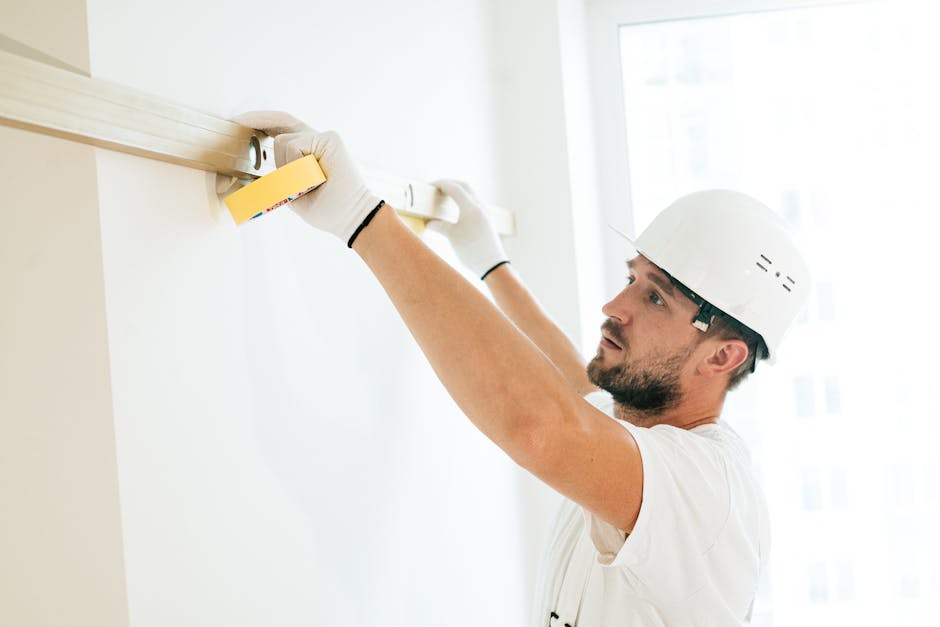
Essential Installation Tools:
- A level (to keep things straight)
- A sharp utility knife or electric carving knife (for custom cuts)
- Adhesive (Spray adhesive like Foamtak, or double-sided EZ-Stick tabs)
- A damp cloth (to clean the walls first)
For a deeper dive into the process, follow our step-by-step guide to DIY acoustic foam panels and our tutorial for building acoustic panels.
Expanding Compressed Foam
If you buy your foam online, it will likely arrive vacuum-sealed and flat as a pancake. Don’t panic! It just needs to “re-inflate.”
Most manufacturers recommend letting the foam sit in a well-ventilated area for 24-48 hours. However, if you’re impatient (like us), the water immersion method is a lifesaver. Soak the panels in warm water for a minute, gently wring them out, and either air dry them or toss them in a dryer on low heat for 20 minutes. This “shocks” the cells open, allowing the foam to regain its full thickness and shape. You can find more Premium Studio Soundproof Foam expansion tips if your foam is being stubborn.
Strategic Placement for Better Audio
Placement is more important than quantity. Here is our “pro-tip” checklist for an acoustic foam studio:
- The Mirror Trick: Sit in your recording chair. Have a friend slide a mirror along the side walls. Wherever you see your speakers in the mirror, that’s a “first reflection point.” Put a foam panel there.
- The Cloud: If you have high ceilings, sound will bounce off the ceiling and back into your mic. Hanging a “cloud” (a few foam panels suspended above your desk) can drastically improve vocal clarity.
- Symmetry: Try to treat the left and right walls of your listening position symmetrically. If you have foam on the left, put the same amount on the right at the same height.
- Behind the Mic: For vocalists, placing foam directly behind your head and behind the microphone helps catch the sound before it can bounce around the rest of the room.
Check out these inexpensive DIY wall panels for your studio for more placement ideas.
Managing Low Frequencies and Room Calibration
A challenge in a small acoustic foam studio is “muddy” sound. This is caused by low-frequency sound waves (bass) that are too long to be absorbed by thin foam panels. These waves tend to bunch up in the corners of your room, creating “standing waves” and “room modes” that make your recordings sound boomy or distorted.
Standard 2-inch foam is great for high and mid frequencies, but it’s nearly invisible to bass. Research shows that 4-inch wedges provide three times the low-end control of 2-inch wedges. For the ultimate precision, look at Acoustic Foam StudioPro absorption curves; premium foams are engineered to absorb significantly more at the 125Hz range.
If you are struggling with a tight budget, don’t worry—there are ways to get acoustic treatment for under $100 that still addresses these pesky low-end issues.
Optimizing Your Acoustic Foam Studio for Low Frequencies
To fix a “muddy” room, you need Bass Traps. These are thick, triangular chunks of foam designed specifically to fit into the corners of your room.
- Corner Traps: These should be your first priority. Place them in the front two corners of your room (behind your speakers) from floor to ceiling if possible.
- Broadband Absorption: Using thicker 3″ or 4″ panels on the back wall can help catch low-mid frequencies before they bounce back to the front of the room.
- Kits: If you’re overwhelmed, Premium Acoustic Foam Kits for full room control often bundle pyramid panels with corner traps and bass wedges, taking the guesswork out of the equation.
For those just starting out, we have a great guide on diy soundproofing acoustic panels for beginners that covers the basics of low-end management.
Safety Ratings and Maintenance for Longevity
When you’re lining your walls with polyurethane, safety has to be a priority. Foam is naturally flammable unless treated with fire retardants.
Always check the fire rating of your foam. Look for standards like UL 94 HF-1 or ASTM E84 Class A. These ratings mean the foam is self-extinguishing or slow-burning, which is essential for home safety and often required by local building codes for commercial spaces.
Maintenance Tips:
- Dusting: Acoustic foam is a dust magnet. Use a vacuum with a soft brush attachment once every few months to keep the pores open.
- Degradation: Over 5-10 years, cheap foam can become brittle and start to crumble (especially if exposed to direct sunlight). Keeping your studio out of UV light will extend the life of your panels.
- Cleaning: Never soak your foam in harsh chemicals. A lightly damp cloth is all you need for spot cleaning.
If you’re looking for more ways to keep your setup affordable, check out our acoustic treatment for under $100-2 guide for maintenance and budget-friendly upkeep.
Frequently Asked Questions about Studio Foam
How much acoustic foam do I need for a small room?
For a standard 10×10 room, start with about 24 to 48 square feet of foam. This usually covers the primary reflection points and a portion of the ceiling. You don’t need 100% coverage; 20-30% is usually the “sweet spot” for home recording.
Does acoustic foam stop noise from leaving the room?
No. Acoustic foam is designed for absorption (improving sound quality inside), not isolation (keeping sound from leaving). To stop noise from leaving, you need heavy materials like mass-loaded vinyl or double-layered drywall.
What is the best adhesive for acoustic foam?
For a permanent hold, spray adhesives are best. However, if you are renting and don’t want to ruin the paint, we recommend using 3M Command strips or EZ-Stick Pro tabs. Some users even mount their foam to thin cardboard or plywood sheets first, then hang those sheets like pictures.
Conclusion
Building an acoustic foam studio doesn’t have to be a daunting or expensive task. By understanding the difference between absorption and soundproofing, selecting the right thickness for your needs, and placing your panels strategically at reflection points, you can achieve professional-sounding audio in any room.
At TechAvanco, we believe that everyone deserves a comfortable and productive home environment. Whether you’re a podcaster, a musician, or just someone tired of the echo in your home office, these cost-effective upgrades will make a world of difference. For more tips on enhancing your space, Explore more DIY soundproofing guides and start your journey toward better sound today!
