
8 Steps to a DIY Soundproof Wall That Actually Works
Create Your Quiet Zone: Understanding DIY Soundproofing Walls
Are you tired of hearing every cough, conversation, or clatter from next door? You’re not alone. What once was a minor annoyance can quickly become a major disruption, impacting your sleep, focus, and overall well-being. For budget-conscious homeowners and renters, building a diy soundproofing wall might seem like a huge project. But it doesn’t have to be.
Effective DIY soundproofing uses a few core ideas to block unwanted noise. Here’s what you need to know to make your space quieter:
- Add Mass: Heavier walls block more sound. Think dense materials like extra drywall layers.
- Dampen Vibrations: Special compounds can turn sound energy into heat, stopping it from traveling through walls.
- Decouple Surfaces: Separating wall surfaces from each other prevents sound from vibrating straight through.
- Seal Gaps: Even tiny gaps let a lot of sound pass. Sealing every crack is crucial.
You can take control of your home’s acoustics. This guide will walk you through the proven steps to create a more peaceful living environment.

Soundproofing vs. Sound Absorption: Key Differences
Before we pick up a hammer, we need to clear up a common misunderstanding. We often see people buying acoustic foam panels and wondering why they can still hear their neighbor’s TV. That is because there is a massive difference between soundproofing and sound absorption.
Soundproofing is the act of blocking sound from entering or leaving a room. It requires mass and density to stop sound waves in their tracks. Sound absorption, on the other hand, is about improving the sound quality inside the room by reducing echoes and reverberation.
| Feature | Soundproofing (Blocking) | Sound Absorption (Dampening) |
|---|---|---|
| Primary Goal | Stop sound from traveling between rooms. | Reduce echo and “bounce” inside a room. |
| Noise Type | Airborne and Impact (structural) noise. | Mid-to-high frequency reflections. |
| Materials | MLV, Green Glue, extra drywall, Rockwool. | Foam panels, fabric-wrapped panels, rugs. |
| Measurement | STC (Sound Transmission Class). | NRC (Noise Reduction Coefficient). |
If you want privacy, you need soundproofing. If you want your podcast to sound professional, you need absorption. For more inspiration on how to handle your space, check out these studio wall treatment ideas.
Understanding Sound Transmission Class (STC)
When we talk about how effective a diy soundproofing wall is, we use the STC rating. This is a lab-tested integer that tells us how well a building partition attenuates airborne sound. A standard interior wall with 2×4 studs and 1/2-inch drywall usually has an STC of about 33 to 34. At this level, you can hear loud speech clearly.
Our goal is usually to get that rating above 50, where loud speech is faint and most household noises are blocked. To dive deeper into the technical side, you can read more Scientific research on Sound Transmission Class (STC) performance.
Why Absorption Isn’t Enough for Privacy
Absorption is great for making a room feel “softer” and less hollow, but it won’t stop your neighbor’s bass from vibrating your floorboards. Absorption materials like foam are porous; they let sound pass through but trap the energy so it doesn’t bounce back. If you are interested in making your own panels for better interior sound, we have a guide for diy soundproofing acoustic panels for beginners.
Essential Materials for a DIY Soundproofing Wall
To build a wall that actually works, we need to move beyond “home remedies” like egg cartons (which, honestly, only work for holding eggs). We need materials designed to handle the physics of sound.
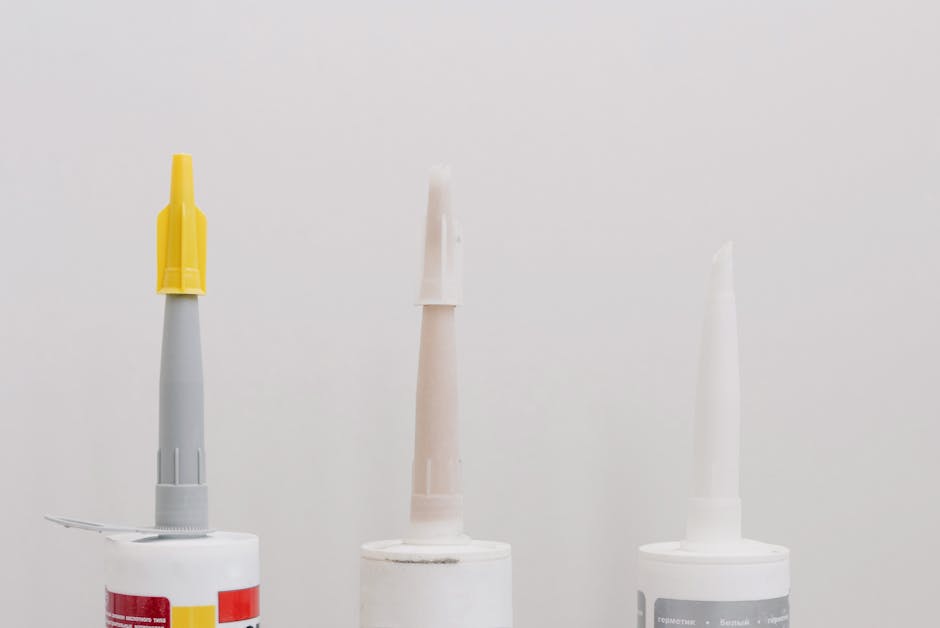
Here is our “must-have” list:
- Mass Loaded Vinyl (MLV): This is a heavy, thin (1/8 inch) material that adds massive density without taking up much space. It usually weighs 1 lb per square foot.
- Green Glue Damping Compound: This viscoelastic compound is the gold standard for DIYers. It stays pliable and turns sound vibrations into tiny amounts of heat.
- Resilient Channels: These metal rails decouple the drywall from the studs, breaking the path of vibration.
- Acoustic Insulation: We prefer mineral wool (like Rockwool) over standard fiberglass because it is much denser.
- Acoustic Sealant: Often called “acoustic caulk,” this stays flexible for decades to ensure your seals never crack.
For more creative ideas on materials, take a look at these homemade methods for soundproofing.
The Role of Damping Compounds
Damping is perhaps the most “magical” part of soundproofing. When we sandwich Green Glue between two layers of drywall, we create a damping system. As sound hits the wall, the layers try to rub against each other. The Green Glue resists this movement, converting that mechanical energy into heat. This “Green Glue sandwich” can improve your wall’s STC by 10 to 15 points!
Choosing the Right Insulation
Not all insulation is created equal. While standard pink fiberglass is better than an empty cavity, mineral wool (Rockwool) is the heavyweight champion. It is fire-resistant and incredibly dense, making it perfect for trapping mid-to-high frequency sounds. According to the Acoustical Society of America, choosing high-density materials is key to managing low-frequency noise.
8 Steps to Build a High-Performance Soundproof Wall
Now, let’s get to work. This project is labor-intensive, so we recommend clearing 3-4 days for a single wall.
Required Tools:
- Utility knife and T-square (for drywall)
- Caulking gun (for Green Glue and sealant)
- Drill and fine-thread drywall screws
- N95 mask, gloves, and safety glasses
- Level and tape measure
For more quick tips before you start, check out these easy-diy-soundproofing-hacks.
Step 1: Assessment and Framing
First, we need to decide if we are building a new wall or upgrading an existing one. If you’re building from scratch, use staggered studs. By using a 2×6 base plate and alternating 2×4 studs so they don’t touch both sides of the wall, you decouple the two sides of the room.
Step 2: Installing Acoustic Insulation
Once the framing is ready (or the old drywall is removed), we pack the cavities with mineral wool. Don’t over-compress it! Insulation works best when it’s a “friction fit”—snug enough to stay put, but not so tight that you lose the air pockets that help trap sound. Compressed insulation can lose up to 30% of its efficiency.
Step 3: Mounting Resilient Channels
If you aren’t using staggered studs, resilient channels are your best friend for decoupling. We mount these horizontally across the studs. The trick is to screw the channel into the stud, but make sure your drywall screws only go into the channel, not the stud behind it. If a screw hits the stud, you’ve “short-circuited” the system, and vibrations will pass right through.
Step 4: Sealing Electrical Outlets and Gaps
This is where most DIYers fail. Remember this statistic: A gap as small as 1% in your wall can leak up to 30% of the sound. We use acoustical putty pads to wrap the back of electrical boxes. These boxes are essentially holes in your sound barrier, and putty pads seal them up tight.
Step 5: Applying Mass Loaded Vinyl to Your DIY Soundproofing Wall
Next, we staple Mass Loaded Vinyl (MLV) directly to the studs (or over the insulation). We overlap the seams by about 2 inches and seal them with vinyl tape. This adds the “mass” part of our equation. It’s heavy work, so you might need a friend to help hold the rolls.
Step 6: Hanging the First Drywall Layer
We recommend 5/8-inch Type X drywall. It’s denser and more fire-resistant than standard 1/2-inch boards. We hang this layer and screw it into our resilient channels (or studs if you aren’t decoupling). Be sure to leave a 1/4-inch gap at the floor and ceiling, which we will fill with acoustic sealant later.
Step 7: Applying Damping Compound
Now for the Green Glue. We apply it to the back of our second layer of drywall in a random serpentine pattern. Don’t worry about being neat; we just want even coverage. We use about two tubes per 4×8 sheet. Once applied, we press the second sheet against the first and screw it into place immediately.
Step 8: Final Sealing and Finishing
The final step is the most important: sealing. We fill that 1/4-inch gap at the floor, ceiling, and corners with acoustic sealant. This ensures the wall is airtight. Once the sealant is dry, we tape and mud the drywall as usual. For more tips on finishing touches, see our guide on inexpensive-diy-wall-panels-for-your-studio.
Pro Tips: Avoiding Mistakes and Renter-Friendly Hacks
Even with the best materials, small mistakes can ruin a diy soundproofing wall. One common pitfall is over-tightening screws, which can crush the drywall core and reduce its effectiveness. Another is “bridging”—letting your new drywall touch the floor or adjacent walls directly. Always keep those gaps filled with flexible sealant!
If you’re looking for more creative ways to manage noise without heavy construction, you might find some inspiration in these cardboard soundproofing hacks for your studio.
Budget-Friendly DIY Soundproofing Wall Tips for Renters
We know that not everyone can tear down their walls. If you’re renting, we recommend the “Maximalist” approach:
- Heavy Curtains: Look for velvet drapes weighing 12-18 oz/yd. Ensure they have 100% fullness (twice the width of the window).
- Dense Bookshelves: A wall of books is a fantastic sound dampener. Use hardwood bookshelves for blocking and softwoods for absorption.
- High KPSI Rugs: A rug with a high knots-per-square-inch (KPSI) count (300+ is excellent) paired with a 1/2-inch felt pad can significantly reduce noise from neighbors below.
For a deeper dive into non-permanent fixes, check out our blanket soundproofing a diy approach.
How to Test Your Soundproofing Effectiveness
How do we know if it worked? You don’t need professional gear. Download a decibel meter app on your phone. Place a speaker in the “noisy” room playing white noise at a consistent volume (around 75dB). Measure the sound in your “quiet” room before and after the project. You’re looking for a significant drop in those numbers!
Frequently Asked Questions about DIY Soundproofing
Can I soundproof a wall without removing the existing drywall?
Yes! This is actually a very popular DIY method. You can apply Green Glue directly to your existing wall and then add a second layer of 5/8-inch drywall on top. While you won’t get the benefit of new insulation or decoupling, the “damping sandwich” will still provide a noticeable +10 to +15 STC gain.
What is the most cost-effective material for soundproofing?
If you are on a tight budget, the most bang-for-your-buck comes from extra drywall and acoustic sealant. Drywall is relatively cheap, and adding mass is the foundation of soundproofing. Combining two layers of drywall with standard fiberglass insulation is much better than a single layer, even if you can’t afford Green Glue or MLV.
How do I handle sound leaks through doors and windows?
Your wall is only as strong as its weakest point. A standard hollow-core door has an STC of only 17. We recommend replacing it with a solid-core door (STC ~28) and adding a door sweep and weatherstripping. For windows, consider window inserts or the heavy velvet curtains we mentioned earlier.
Conclusion
At TechAvanco, we believe that your home should be your sanctuary. Building a diy soundproofing wall is one of the most rewarding home improvement projects you can undertake. While it requires patience and a bit of “elbow grease,” the payoff—a quiet, productive, and peaceful space—is worth every penny.
Ready to tackle more projects? Explore our DIY Soundproofing Category for more practical tips on enhancing your home comfort and productivity!
