
The Ultimate DIY Acoustic Bedroom Door Guide
Why a DIY Acoustic Bedroom Door Could Transform Your Sleep and Focus
A DIY acoustic bedroom door is one of the most effective ways to block unwanted noise without a major renovation. Here’s a quick overview of the best methods:
- Seal all air gaps – Apply adhesive weatherstripping around the door frame and a door sweep at the bottom
- Add mass to the door – Attach Mass Loaded Vinyl (MLV) or thick acoustic panels to the door surface
- Upgrade the door itself – Replace a hollow-core door with a solid-core door for a significant STC boost
- Use renter-friendly options – Hang heavy curtains or a moving blanket over the door for zero-damage noise reduction
Most bedroom doors are surprisingly bad at blocking sound. That’s not an accident — it’s a cost-cutting design choice.
The average interior door is hollow-core, built from a thin wood veneer stretched over a cardboard lattice frame. Knock on it and you’ll hear a dull thud, almost like a drum. That structure does almost nothing to stop sound from passing through.
But the door itself isn’t even the biggest problem.
The gaps are.
Research shows that a gap covering just 1% of a door’s surface area can let in over 50% of the sound trying to get through. That tiny strip of light you see under your bedroom door at night? It’s basically an open channel for noise.
The World Health Organization recommends that bedrooms stay below 30 dB(A) for healthy sleep — roughly the level of a quiet whisper. Most homes with hollow-core doors and unsealed frames fall far short of that standard.
The good news: you don’t need to spend thousands to fix this. A few targeted DIY upgrades can make a real, measurable difference.

Why Your Current Door Fails at Soundproofing
To build an effective diy acoustic bedroom door, we first need to understand why the one you have is letting you down. Most modern interior doors are “hollow-core.” If you were to slice one open, you wouldn’t find solid wood. Instead, you’d see a honeycomb-like cardboard lattice sandwiched between two very thin layers of wood veneer.
This design is great for keeping shipping costs low, but it’s an acoustic nightmare. This cardboard lattice creates a “drum effect.” When sound waves hit the thin veneer, the hollow pocket inside acts as a resonator, vibrating and passing that energy right through to your ears.
In technical terms, these doors usually have a Sound Transmission Class (STC) rating of about 20. For context, an STC of 20 means you can clearly hear a normal conversation through the door. By comparison, a standard wall usually sits around STC 35.
Furthermore, builders often leave significant air gaps around the frame for ease of installation. Remember the “1% gap rule”: if 1% of the door’s perimeter is open (which is common at the bottom of the door), you lose 50% of the door’s potential sound-blocking power. These gaps also create a thermal bypass, meaning your expensive AC or heat is leaking out right along with the noise.
Step-by-Step Guide to a DIY Acoustic Bedroom Door
Building a diy acoustic bedroom door doesn’t require a master’s degree in acoustics, but it does require a systematic approach. We recommend starting with the “weakest links” first—the air gaps—before moving on to adding mass.
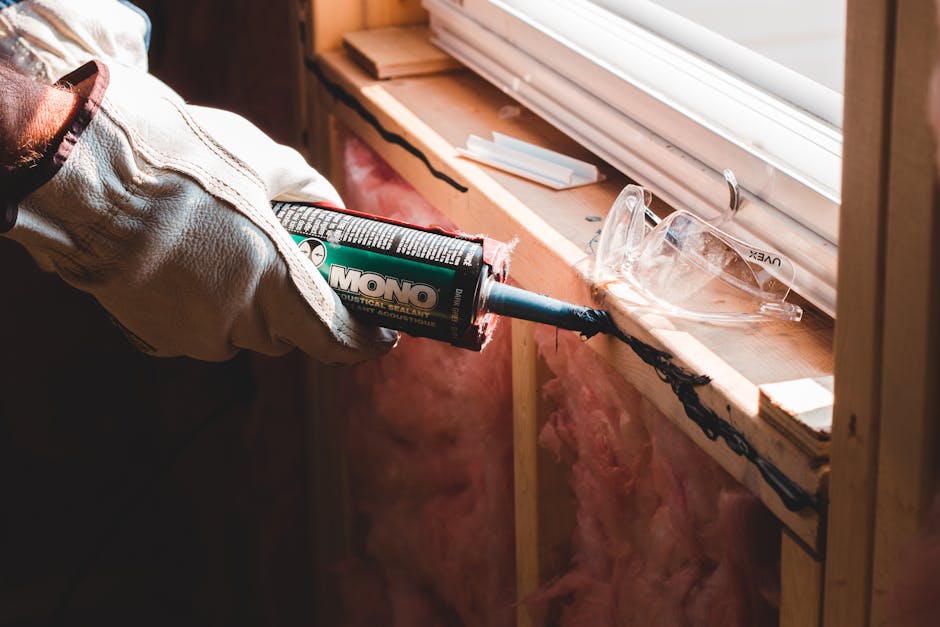
Before you begin, gather these essential tools:
- A sharp utility knife
- A screwdriver (manual or electric)
- A measuring tape
- A pencil
- A level (optional but helpful)
If you are looking for more ways to save money while quieting your home, check out our guide on silence is golden: DIY bedroom soundproofing for the frugal homeowner.
Sealing Air Gaps for a DIY Acoustic Bedroom Door
The most cost-effective move we can make is sealing the “air path.” If air can pass through, sound can pass through.
1. The Light Leak Test Wait until dark, turn on the lights in the hallway, and turn them off in your bedroom. Close the door. Anywhere you see light peeking through is a “leak” that needs sealing.
2. Perimeter Sealing Apply self-adhesive weatherstripping tape to the door stop (the part of the frame the door hits when closed). For better results, look for neoprene gaskets or adjustable jamb seals. These use screws that allow you to move the seal closer to the door for a tighter fit without making it impossible to latch. You can find more details on choosing these in our article on the best acoustic bedroom door seals and liners for peace.
3. The Bottom Gap The gap at the bottom is usually the largest. A standard door sweep is a good start, but for maximum performance, we recommend an automatic door bottom. These are spring-loaded mechanisms that drop a thick neoprene seal down only when the door is fully closed. This prevents the seal from dragging across your floor or carpet every time you open the door.
4. Acoustic Caulk Check the gap between the door frame and the wall. Often, there is a hidden gap behind the decorative trim. Using a bead of acoustic caulk—which remains flexible over time—can stop vibrations from traveling through the structure itself.
Adding Mass to Your DIY Acoustic Bedroom Door
Once the gaps are sealed, the next step is to tackle the “drum effect” by adding mass. Sound waves are lazy; they hate trying to move heavy objects.
Mass Loaded Vinyl (MLV) MLV is the gold standard for DIYers. It is a dense, flexible material that usually weighs about 1lb per square foot despite being only 1/8th of an inch thick. You can cut it with a utility knife and tack it directly to the door surface. For the best results, cover the entire face of the door, cutting carefully around the handle.
Acoustic Panels If you want something more aesthetic, you can use thick, dense fiberglass acoustic panels. “Egg crate” foam is for reducing echoes inside a room, not for blocking sound coming through a door. You need dense panels (at least 2 inches thick) to actually block noise.
Hinge Reinforcement Adding MLV or heavy panels can add 20–40 lbs to your door. Before you finish, check your hinges. You may need to replace standard 1-inch screws with 3-inch screws that reach all the way into the wall studs to support the extra weight.
Advanced Upgrades: Solid-Core Doors and Studio Techniques
If you’ve sealed the gaps and added mass but still find the neighbor’s TV too loud, it might be time for a permanent upgrade.
The Solid-Core Swap
Replacing a hollow-core door with a solid-core version is the single biggest jump in performance you can make. A solid-core door (often made of wood composites or solid wood) typically has an STC of 25-30 on its own. When paired with the acoustic gaskets we mentioned earlier, that rating can jump to STC 35, which puts the door on par with the sound-blocking ability of your actual walls.
When shopping, look for FD30 fire-rated doors. Because they are built to resist fire for 30 minutes, they are naturally denser and heavier, making them excellent for acoustics. For more tips on doing this without breaking the bank, see our guide on soundproofing doors without overspending.
Studio Concepts: Communicating Doors
In professional recording studios, engineers often use “communicating doors.” This involves installing two doors in the same frame, one opening into the room and one opening out. The air pocket trapped between the two doors acts as a massive buffer, virtually eliminating noise. While this might be overkill for a standard bedroom, it’s a viable DIY option if you have a very deep door frame (common in older homes).
Renter-Friendly and Budget Solutions
We know that not everyone can drill holes or swap out doors. If you’re in an apartment, you need “zero-damage” solutions.
| Method | Estimated Cost | Noise Reduction (dB) | Renter Friendly? |
|---|---|---|---|
| Weatherstripping | $15 – $30 | 5 – 10 dB | Yes (Removable) |
| Soundproof Curtains | $50 – $150 | 3 – 7 dB | Yes |
| Moving Blankets | $20 – $40 | 3 – 5 dB | Yes |
| Solid-Core Swap | $200 – $500 | 15 – 20 dB | No |
| MLV Layering | $100 – $200 | 10 – 15 dB | Maybe (Depends on mounting) |
Soundproof Curtains and Blankets Hanging a heavy acoustic curtain or a “moving blanket” over the door is a classic renter hack. These materials are heavy and porous, meaning they absorb some sound and block a bit of the air path. Use a tension rod or removable hooks to avoid damaging the walls.
Furniture Placement Sometimes, the best soundproofing isn’t on the door at all. Placing a heavy, book-filled bookshelf on the wall adjacent to the door can dampen vibrations. In the bedroom, moving your bed to the wall furthest from the door can also significantly reduce the “perceived” noise level.
White Noise Masking If you can’t block 100% of the noise, you can mask it. A dedicated white noise machine or even a simple box fan creates a consistent floor of sound that makes sudden noises (like a door slamming or a roommate talking) much less jarring.
Frequently Asked Questions about Acoustic Doors
Can I fill a hollow-core door with foam or insulation?
We get this question a lot! While it seems logical to drill a hole and spray in expanding foam, we generally do not recommend it.
Interior doors have a honeycomb cardboard structure inside. This means the foam won’t flow freely; it will get stuck in small pockets, leaving most of the door hollow. Furthermore, expanding foam exerts a lot of pressure. If you use too much, you risk bowing the thin wood veneer or even “popping” the door apart. If you really want to try filling a door, some DIYers have had luck drilling multiple holes and injecting loose-fill mineral wool, but the labor involved usually outweighs the cost of just buying a solid-core door.
How much noise reduction can I expect from DIY methods?
With a combination of perimeter seals and a door sweep, most people see a 10-15 dB improvement.
In acoustics, a 10 dB reduction is perceived by the human ear as “half as loud.” This is usually enough to take a muffled conversation and turn it into total silence, or to turn a loud TV in the next room into a faint, ignorable hum. Real-world results depend on your specific home, but sealing the air gaps provides the highest “return on investment” for any diy acoustic bedroom door project.
Do automatic door bottoms work on carpeted floors?
They can, but they aren’t ideal. Neoprene seals work best when they can form a tight “crush” against a hard, flat surface like wood, tile, or a metal threshold. On carpet, the seal can’t quite close all the tiny gaps between the fibers.
Additionally, if the carpet is very plush, the seal might drag even when retracted. If you have carpet, we recommend installing a low-profile wooden or metal threshold under the door first. This gives the automatic seal a hard surface to land on, ensuring a much better acoustic seal.
Conclusion
At TechAvanco, we believe your home should be your sanctuary. Whether you are trying to sleep through a roommate’s late-night gaming session or trying to focus on a work-from-home project, a diy acoustic bedroom door is a project that pays for itself in peace of mind.
To maintain your results, we suggest inspecting your seals every few months. Adhesive weatherstripping can compress over time, and door sweeps may need slight adjustments as the house settles. Avoid the common mistake of only doing “half” the job—remember, sound is like water; it will find any hole you leave behind.
Ready to take on the rest of your house? Explore our full library of home improvement guides for more practical, cost-effective tips on enhancing your home comfort.
