
Why a DIY Wood Panel Accent Wall Transforms Any Room
A DIY wood panel accent wall is one of the most affordable ways to add texture, warmth, and a high-end look to a plain room. Whether you want vertical slats, shiplap, or board and batten, you can pull it off in a weekend — often for under $300.
Quick-start summary:
- Pick your style — vertical slats, shiplap, board and batten, or geometric panels
- Gather materials — furring strips or plywood are the most budget-friendly options
- Prep the wall — paint it a dark color, remove baseboards, locate studs
- Cut and finish your slats — sand, stain, or paint before installing
- Attach from the bottom up — use a level, brad nailer, and scrap wood spacers for even gaps
- Fill and finish — wood filler for nail holes, caulk seams, final coat
A 10-foot by 10-foot slat wall typically costs around $300 using basic materials like furring strips. Go with ultra-thin plywood underlayment and a geometric design, and you can bring that down to under $100.
The real appeal? You don’t need to be a contractor. If you can measure, cut, and use a nail gun — or even just construction adhesive — you can build a wall that looks like it came out of a design magazine.
There’s also a bonus many people don’t expect: wood slat panels can reduce echo and improve the acoustics of a room, making them a smart pick for bedrooms, home offices, and studios.
Choosing the Best Style for Your DIY Wood Panel Accent Wall
Before we pick up a saw, we need to decide on the “vibe.” A diy wood panel accent wall isn’t a one-size-fits-all project. The style you choose dictates the difficulty, the cost, and the final architectural impact on your home.
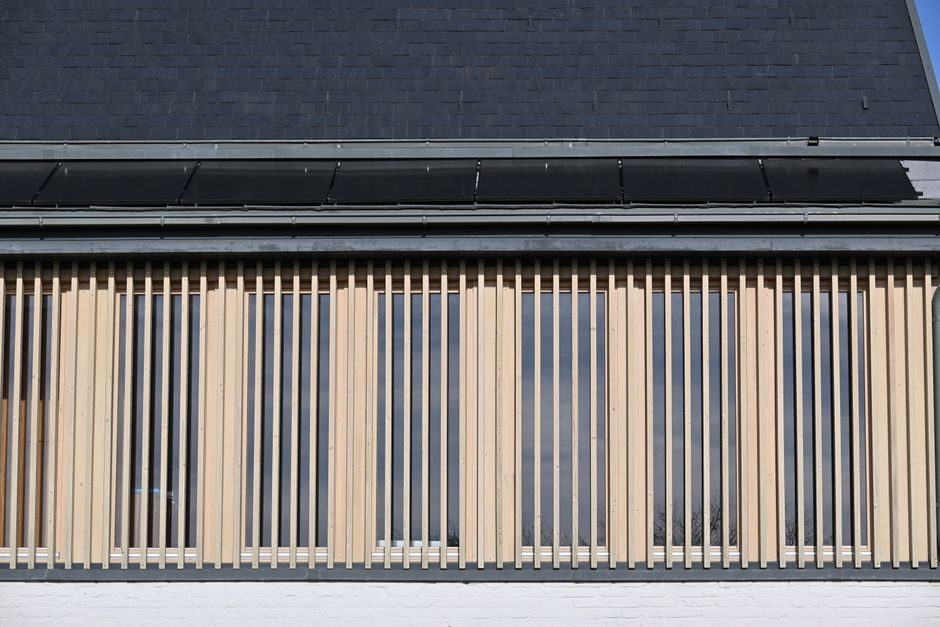
- Vertical Slats: This is the “it” look of the decade. By using thin strips of wood (slats) with small gaps between them, you create a fluted effect that plays with light and shadow. It draws the eye upward, making your ceilings feel significantly taller.
- Shiplap: The classic farmhouse staple. Horizontal planks offer a cozy, rustic feel that broadens tight spaces. For a more modern twist, many DIYers are now installing shiplap vertically.
- Board and Batten: This involves wide vertical “battens” and horizontal “rails.” It’s a timeless form of wainscoting that adds depth and a sense of history to a room.
- Geometric Patterns: If you’re feeling bold, you can use thin plywood strips to create chevrons, hexagons, or abstract “mountain” shapes. These are often the most budget-friendly because they use less wood but provide massive visual impact.
- Midcentury Modern: Think warm walnut tones and clean, simple lines. This style often uses larger wood panels or “tambour” (flexible wood) to wrap around corners or peninsulas.
Popular Design Trends
We are seeing a massive shift toward biophilic design—the practice of bringing the outdoors in. Wood is the perfect medium for this. Organic vibes are achieved by using natural stains that show off the wood grain rather than hiding it under heavy paint.
Fluted panels and wainscoting are also making a huge comeback in entryways and dining rooms. To really level up the look, consider adding accent lighting. Installing a “grazer” light at the top or bottom of a slat wall creates dramatic shadows that make the wood texture pop.
Selecting the Right Room
Where should you put your masterpiece?
- The Master Bedroom: Placing a wood panel wall behind the headboard creates a natural focal point and anchors the bed.
- Living Room: Use it to frame a TV or a fireplace. It adds “visual weight” to the room without needing bulky furniture.
- Entryway: A wood wall provides a warm, tactile welcome and can be a durable alternative to easily scuffed drywall.
- Home Office: Beyond the looks, wood panels (especially those with felt backing) help with acoustics, cutting down on that annoying echo during Zoom calls.
Essential Tools and Materials for a Budget-Friendly Project
One of the biggest myths about a diy wood panel accent wall is that you need expensive hardwoods like oak or walnut. While those are beautiful, we can achieve a high-end look on a “TechAvanco budget” using smart alternatives.
For more ideas on keeping things affordable, check out our guide on inexpensive diy wall panels for your studio.
- Furring Strips: These are the unsung heroes of the hardware store. Usually found in the lumber aisle for a few dollars each, they are perfect for a rustic slat wall.
- Plywood Underlayment (Revolution Ply): This is 1/4-inch thick and very lightweight. You can have the hardware store rip it into 4-inch planks or do it yourself at home. It’s the secret to a sub-$100 wall.
- MDF Boards: If you plan on painting your wall a solid color, MDF (Medium-Density Fibreboard) is your best friend. It’s perfectly smooth, has no knots, and won’t warp like real wood.
- Reclaimed Wood: For those who want a story, reclaimed wood offers unmatched character, though it requires more cleaning and prep work.
Required Tool Kit
You don’t need a full woodshop, but a few power tools will make your life much easier:
- Miter Saw: Essential for making clean, 90-degree (or 45-degree) cuts.
- Brad Nailer: An 18-gauge brad nailer is the gold standard. It leaves tiny holes that are easy to fill.
- Laser Level: Trust us, don’t rely on your eyes. A laser level ensures your first board is perfectly straight, which keeps the whole wall from leaning.
- Stud Finder: You want to nail into the studs whenever possible for a secure hold.
- Electric Sander: Essential for smoothing out those budget furring strips.
- Measuring Tape: Measure twice, cut once—and then measure again just to be sure.
Budgeting for Your DIY Wood Panel Accent Wall
How much is this going to cost?
- The “Ultra-Budget” Wall (<$100): Uses 1/4″ plywood underlayment and paint. This is perfect for geometric designs.
- The “Standard” Wall ($300): Covers a 10×10 wall using furring strips or pine boards, including stain and nails.
- The “Premium” Wall ($500+): Uses pre-finished acoustic panels or hardwoods like White Oak.
The 10% Extra Rule: Always buy 10% more material than your square footage suggests. Between “oops” cuts and wood with bad knots, you’ll be glad you have the extra boards.
Step-by-Step Guide to Installing a DIY Wood Panel Accent Wall
Ready to get your hands dirty? Follow this process to ensure your wall looks professional and stays put for years.
Preparing the Surface
First, clear the room. You’ll need space to move.
- Remove Baseboards: Use a putty knife and pry bar. If you want a floor-to-ceiling look, the wood should sit flush against the floor.
- Locate Studs: Mark them with a pencil or painter’s tape.
- Paint the Background: If you are doing a slat wall, paint the wall behind the slats a dark color (like charcoal or black) first. This adds depth and hides the drywall texture in the gaps.
- Outlet Spacers: Since your wall is now thicker, your outlets will be recessed. Use electrical outlet spacers to bring them forward so the covers sit flush on the new wood.
For more technical prep tips, see our step-by-step guide diy acoustic foam panels.
Measuring and Cutting
Measuring for a diy wood panel accent wall requires precision.
- Floor-to-Ceiling: Ceilings are rarely level. Measure the height at both ends of the wall and in the middle. You may need to cut each slat to a slightly different length.
- Expansion Gaps: Wood expands and contracts with humidity. Leave a tiny gap (about 1/8 inch) at the top and bottom.
- Batch Sanding: To save time, clamp 10–15 slats together and sand them all at once with your electric sander.
Attachment and Spacing
This is where the magic happens.
- The First Board: Use your laser level to ensure the first board is perfectly plumb (vertical). If the first one is crooked, the whole wall will be.
- Adhesive vs. Nails: For lightweight plywood, brad nails into the studs are usually enough. For heavier boards, apply a bead of construction adhesive in an “S” pattern on the back before nailing.
- The Spacer Hack: Don’t measure the gap between every slat. Use a scrap piece of wood as a spacer. Hold it between the installed slat and the new one to ensure a perfectly even 1/2-inch or 3/4-inch gap every time.
Finishing Techniques for a High-End Look
The difference between a “DIY project” and a “professional installation” is in the finishing.
Achieving a Professional Finish
- Fill the Holes: Use wood filler (for stained wood) or spackle (for painted wood) to hide the brad nail holes. Once dry, sand them flush.
- Caulk the Seams: If you’re doing board and batten or shiplap, use paintable caulk where the wood meets the wall or other boards. This hides any tiny gaps.
- Foam Rollers: When painting, use a high-density foam roller. It provides a smooth, factory-like finish without brush strokes.
- Matte vs. Satin: A matte or satin finish is usually better for wood walls. High gloss tends to highlight every little imperfection in the wood.
If you’re looking for more aesthetic inspiration, check out our studio wall treatment ideas.
Long-Term Care for Your DIY Wood Panel Accent Wall
Once your wall is up, it’s relatively low maintenance, but a little care goes a long way:
- Dusting: Use a microfiber cloth or a vacuum with a brush attachment once a week. Slat walls, in particular, love to catch dust in the gaps.
- Humidity Control: If you live in a very humid or very dry climate, try to keep your home’s humidity stable to prevent the wood from warping or cracking.
- Sunlight Protection: Direct UV rays can fade wood stains over time. Consider using a sealant with UV protection if the wall is across from a large window.
Frequently Asked Questions about DIY Wood Panels
Can beginners install a wood accent wall?
Absolutely! If you choose a simple design like vertical slats or a basic geometric pattern, it is very beginner-friendly. The key is patience. Take your time with the measurements and the layout. Most first-timers can finish a standard wall in one or two days.
Is a wood panel wall renter-friendly?
Standard wood panels require nails and sometimes adhesive, which can damage drywall. However, you can make it renter-friendly by using peel-and-stick wood planks or by attaching your panels to a thin sheet of plywood that is then secured to the wall with only a few screws.
Do wood panels help with soundproofing?
While a standard wood wall isn’t “soundproof” (it won’t stop your neighbor’s loud music), it does wonders for sound treatment. The irregular surface of a slat wall breaks up sound waves, reducing echo and making the room feel much quieter and “cozier.” For the best results, you can use acoustic felt backing behind the slats.
For more on this, explore our studio wall treatment ideas 2.
Conclusion
At TechAvanco, we believe that enhancing your home shouldn’t require a second mortgage. A diy wood panel accent wall is the perfect example of a high-impact, low-cost project that improves both the look and the comfort of your living space. Whether you’re trying to dampen the noise in a home office or just want to add some mid-century modern flair to your bedroom, wood paneling is a versatile solution.
Ready to take on your next project? Check out more DIY soundproofing and wall project ideas and start transforming your home today!
