
Why Noise Is Ruining Your Home (And How Wall Insulation Can Help)
Soundproof insulation for walls is one of the most effective and affordable ways to reduce unwanted noise in your home. Here’s a quick look at the top options so you can compare at a glance:
| Insulation Type | Best For | Approximate Cost | NRC Rating |
|---|---|---|---|
| Mineral wool (stone wool) | Overall performance | $2-3 per sq ft | High |
| Fiberglass batts | Budget installs | Under $1 per sq ft | Moderate |
| Cellulose | Eco-conscious buyers | Low-mid range | Moderate |
| Cotton (e.g., Quiet Batt®) | Itch-free, eco-friendly | Mid range | 0.95 |
| Spray foam | Sealing gaps | Varies | Moderate |
You’re lying awake at night. The kitchen noise bleeds through the wall. Your neighbor’s TV is practically in the room with you. Or maybe it’s just the general hum of a house that never seems to go quiet.
Noise pollution inside the home is more common than most people realize — and it takes a real toll on sleep, focus, and everyday comfort.
Sound travels in two main ways:
- Airborne noise — voices, music, TV audio traveling through the air and then through walls
- Impact noise — physical vibrations like footsteps or a banging door that travel through solid structures
Most standard walls do very little to stop either type. That’s where soundproof insulation comes in. Placed inside wall cavities, it works by absorbing sound energy and reducing how much of it passes from one room to the next.
The good news? You don’t need a massive budget to make a real difference. The right insulation material, properly installed, can significantly quiet a room — even as a DIY project.
Understanding Soundproof Insulation for Walls
When we talk about soundproof insulation for walls, we are looking at how materials interact with sound waves. To choose the right product, we need to understand a few “science-y” terms that manufacturers use to brag about their products.
First, there is the STC (Sound Transmission Class) rating. This tells us how well a wall assembly blocks airborne sound. A standard wall might have an STC of 30-35 (you can hear loud speech), while a high-performance wall can reach 65+ (you can’t hear a rock concert next door).
Then we have NRC (Noise Reduction Coefficient). This measures sound absorption. If a material has an NRC of 0.95, it means it absorbs 95% of the sound energy that hits it, preventing it from bouncing back as an echo.
Finally, there is the R-value, which measures thermal resistance. While we are here for the quiet, it’s a nice bonus that these materials also keep your home warmer in the winter. However, a high R-value doesn’t always mean high soundproofing. For example, scientific research on stone wool performance shows that density and fiber structure matter more for noise than just thermal thickness.
To truly quiet a room, we focus on four principles:
- Mass: Heavier materials are harder to vibrate.
- Damping: Think of this like placing your hand on a ringing bell. It stops the vibration.
- Decoupling: Separating the two sides of a wall so vibrations can’t jump across.
- Absorption: Using porous materials to “soak up” sound like a sponge.
For those looking to go deeper into how these principles apply to specific spaces, check out our more info about studio wall treatment for professional-grade insights.
Top Materials for Soundproof Insulation for Walls
Choosing the right material depends on your goals, your wall type, and—let’s be honest—your wallet. Here is how the heavy hitters stack up:
| Material | Density | Fire Resistance | Ease of DIY |
|---|---|---|---|
| Mineral Wool | High | Excellent | Easy (Friction Fit) |
| Fiberglass | Low-Mid | Good | Easy (Requires Staples) |
| Cotton | High | Treated | Very Easy (Itch-Free) |
| Cellulose | High | Treated | Moderate (Blown-in) |
Mineral Wool
Mineral wool, often called stone wool, is the gold standard for many DIYers. It is incredibly dense and made from volcanic rock or steel slag. Because it is so stiff, it stays in place without sagging. It’s also nearly fireproof, withstanding temperatures over 2,000°F.
Fiberglass
Fiberglass is the classic “pink stuff.” While it’s primarily used for heat, products like Owens Corning R-11 Fiberglass are specifically designed with sound barriers. It is the most budget-friendly option, costing less than a third of mineral wool.
Cellulose and Spray Foam
Cellulose is made from recycled paper and is great for filling existing walls because it can be blown in through small holes. Spray foam is excellent for sealing air gaps where sound “leaks” through, though it isn’t always the best at absorbing low-frequency bass.
If you are looking for ways to treat the outside of the wall after insulating the inside, take a look at these inexpensive DIY wall panels.
Mineral Wool vs. Fiberglass for Soundproof Insulation for Walls
This is the big debate in the soundproofing world.
Mineral Wool (Stone Wool): Products like Rockwool Safe’n’Sound are favorites because of their density. Density is key for stopping sound. Mineral wool is also water-repellent and won’t grow mold. While it costs more ($2-3 per sq ft), the performance in dampening mid-to-high frequencies is hard to beat.
Fiberglass: Fiberglass is softer and less dense. It works well for absorbing echoes, but it doesn’t have the same “stopping power” for heavy vibrations as stone wool. However, if you are soundproofing a whole house, the cost savings of fiberglass can be massive.
Our Take: If you are doing one “problem wall” (like a bedroom shared with a kitchen), go with Mineral Wool. If you are doing a whole basement on a budget, Fiberglass is your best friend.
Eco-Friendly Cotton and Cellulose Options for Soundproof Insulation for Walls
For those who hate the “itch” of fiberglass, cotton insulation is a fantastic alternative. Quiet Batt® Premium Insulation is made from 80% recycled cotton fibers (think old blue jeans!).
- NRC of 0.95: It absorbs 95% of sound energy.
- Safety: It’s treated with borate for flame retardancy and to keep pests away.
- Ease of Use: You can handle it with bare hands without looking like you’ve been rolling in cactus needles.
Cotton insulation actually features acoustic ratings that are about 30% higher than traditional fiberglass. It’s a great way to insulate your studio on a budget while staying green.
How to Choose and Install Wall Insulation
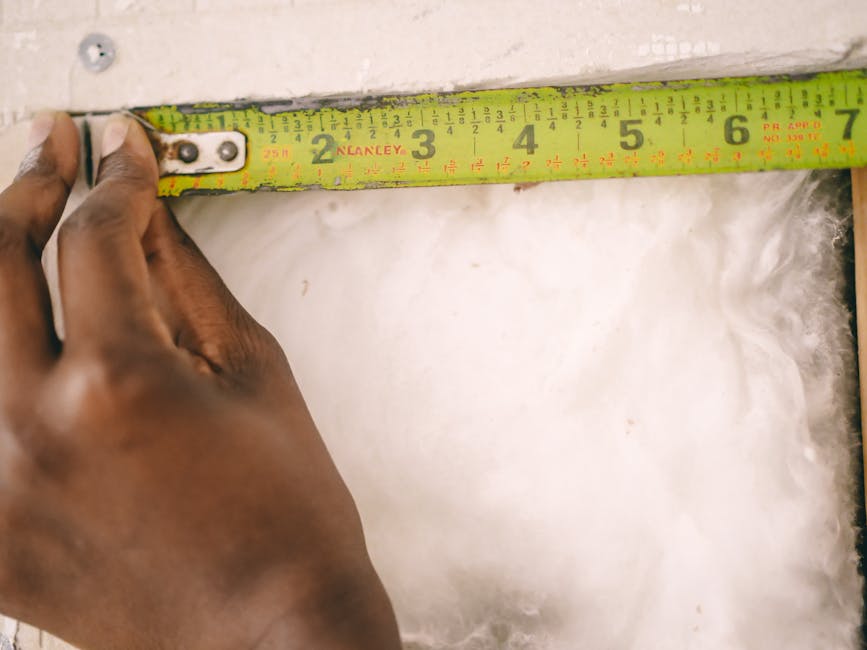
Installing soundproof insulation for walls is one of the most satisfying DIY projects because you can see (and hear) the progress immediately.
Most soundproofing insulation comes in “batts” designed for standard 16-inch or 24-inch stud spacing. The goal is a friction fit. You want the insulation to sit snugly against the studs without being crushed. If you compress it too much, you actually lose some of its sound-absorbing properties.
One often-overlooked step is sealing the “leaks.” Sound behaves like water; if there is a tiny hole, it will pour through. We recommend using:
- Acoustic caulk: To seal the gaps between the bottom plate of the wall and the floor.
- Putty pads: These wrap around electrical outlets to stop sound from whistling through the socket.
For a complete beginner’s look at how to handle these materials, our DIY acoustic panels guide covers the basics of handling frames and fabrics.
Essential Steps for a DIY Soundproofing Project
If you are ready to get your hands dirty, follow these steps:
- Preparation: If you are retrofitting, you’ll need to remove the existing drywall. If it’s new construction, ensure the wall cavities are clear of debris.
- Safety First: Even with “itch-free” cotton, wear a mask, gloves, and eye protection. Small fibers in the lungs are never a good time.
- Cutting: Use a serrated knife (like a bread knife) to cut mineral wool or cotton. A standard utility knife works for fiberglass but can pull the fibers.
- The Fit: Push the batt into the cavity. It should stay there by itself. If you are doing a ceiling, use wire insulation supports to prevent sagging.
- Vapor Barrier: If you are insulating an exterior wall, check your local building codes about adding a plastic vapor barrier to prevent moisture buildup.
For more detailed construction tips, see our tutorial for building acoustic panels.
Beyond Insulation: Complementary Soundproofing Techniques
We have to be honest with you: insulation alone will not make a room 100% silent. It handles the “ringing” inside the wall, but sound can still travel through the wooden studs themselves.
To get that “library quiet” feel, you should consider these add-ons:
- Mass Loaded Vinyl (MLV): A thin, heavy sheet you staple to the studs before the drywall goes on. It’s like adding the weight of a lead sheet without the toxicity.
- Green Glue: This is a damping compound you sandwich between two layers of drywall. It converts sound energy into heat.
- Resilient Channels: These are metal rails that “decouple” the drywall from the studs, breaking the path of vibration.
- Double Drywall: Simply adding a second layer of 5/8″ drywall can jump your STC rating significantly.
- Soundproof Paint: While it won’t stop a barking dog, it can help slightly with very high-frequency “tinny” sounds.
If you find that professional foam is too pricey, check out our list of alternatives to expensive foam for more budget-friendly hacks.
Frequently Asked Questions about Soundproof Insulation
Can insulation alone completely soundproof a room?
In short: No. Insulation is great at stopping airborne noise (talking, music), but it doesn’t do much for impact noise (thumping bass, footsteps) because that noise travels through the “bones” of the house. To stop that, you need decoupling (like resilient channels) or extra mass (like MLV). Think of insulation as one part of a team.
What is the most cost-effective soundproof insulation for walls?
Fiberglass is the winner for the budget-conscious. You can often insulate a whole room for under $200 in materials. However, if you are only doing one wall, the $50-100 extra for mineral wool is usually worth the performance boost. A DIY project typically costs between $200-600, whereas hiring a pro can add $200+ in labor.
Does soundproof insulation help with thermal energy savings?
Absolutely! Most soundproofing batts provide an R-value between R-11 and R-15. This can save you up to 15% on your heating and cooling bills. It’s the rare home improvement project that pays for itself in both peace of mind and actual cash.
Conclusion
Creating a quiet home doesn’t have to involve a massive renovation or a professional crew. By choosing the right soundproof insulation for walls, you can turn a noisy bedroom into a sanctuary or a loud garage into a productive home office.
At TechAvanco, we believe that home comfort should be accessible to everyone. Whether you choose the budget-friendly path of fiberglass or the high-performance route of stone wool, the most important step is simply getting started.
Ready to take the next step in your home improvement journey? Start your DIY soundproofing journey with our other guides and tutorials. Your ears (and your sleep schedule) will thank you!
