
The Ultimate Crowdsourced Guide to Budget Soundproofing
The Reddit Community’s Best Cheap Soundproofing Tips (That Actually Work)
Cheap soundproofing Reddit threads are full of hard-won advice from real people dealing with noisy neighbors, loud home theaters, and paper-thin walls. Here are the most community-vetted quick wins:
Quick answers from Reddit’s soundproofing community:
- Seal gaps first – Weatherstripping doors and windows costs under $20 and makes an immediate difference
- Add mass to walls – Rockwool Safe n Sound insulation + an extra layer of 5/8″ drywall is the most recommended budget upgrade
- Plug windows temporarily – Cut rigid foam insulation boards to friction-fit into window frames when noise is worst
- Use heavy curtains – Floor-to-ceiling curtains on a track help absorb sound and cover window gaps
- Don’t waste money on egg cartons or thin foam – They reduce echo inside a room but do nothing to block sound from traveling through walls
But here’s what most people get wrong before they ever hit Reddit for advice: acoustic foam and soundproofing are not the same thing.
Foam panels reduce the echo you hear inside a room. Soundproofing blocks noise from passing through walls, floors, and ceilings. Mixing these two up is the single most expensive mistake budget DIYers make.
The Reddit consensus is clear: even cheap, partial soundproofing takes real materials and real effort. There’s no $30 fix that will drown out a drum kit or a home theater. But there are smart, affordable steps that genuinely help — and that’s exactly what this guide covers.
Absorption vs. Isolation: The “Cheap Soundproofing Reddit” Reality Check
When we dive into cheap soundproofing reddit discussions, the first thing we encounter is a massive terminology hurdle. Most beginners walk into a hardware store asking for “soundproofing” when they actually want “acoustic treatment.” If you get these two confused, you’ll end up with a room that sounds great on the inside but still lets every conversation leak through to the neighbors.
The Great Panel Debate: Costco vs. Amazon
A common question on forums like RedFlagDeals and Reddit is: Acoustic panels – which one is better?. Users often compare the Costco Artika Sonolok panels (priced around $3.80 per sq ft) with cheap Amazon AUSLET foam (often under $1 per sq ft).
Here is the reality:
- Acoustic Treatment (Absorption & Diffusion): These panels—like the Amazon foam—are designed to stop sound from bouncing off hard surfaces. They tackle “reverb” and “echo.” If your room sounds like a cavern, you need to learn how-to-reduce-reverb-cheaply.
- Sound Isolation (True Soundproofing): This is the act of stopping sound transmission from Room A to Room B. Neither the Costco wood-slat panels nor the Amazon foam will do this effectively. They lack the mass required to stop a sound wave in its tracks.
Reflection vs. Transmission
Think of sound like water. Absorption (foam) is like a sponge; it soaks up some of the splashes within the room. Isolation (soundproofing) is like a solid dam; it stops the water from moving to the next valley. To achieve true decibel reduction, we have to move beyond sponges and start building dams.
If your goal is just to make your voice sound better on a podcast, cheap-methods-to-absorb-sound will suffice. But if you’re trying to block a neighbor’s barking dog, you need to look at STC (Sound Transmission Class) ratings, which measure how well a partition blocks airborne sound.
Why “Cheap Soundproofing Reddit” Users Prioritize Mass
If there is one word that echoes through every DIY soundproofing thread, it’s Mass. Low-frequency sounds (like bass or a rumbling furnace) have long wavelengths that can easily vibrate through light materials. To stop them, we need heavy, dense objects.
The Magic of 5/8″ Drywall
Standard interior drywall is usually 1/2″ thick. Reddit users almost universally recommend upgrading to 5/8″ “Type X” drywall for budget projects. It’s significantly heavier and denser, providing a much higher STC rating for a negligible price increase at the local lumber yard. When we look at homemade-methods-for-soundproofing, adding a second layer of drywall is often the most cost-effective “big” move you can make.
The Damping Compound Secret
Simply screwing a second layer of drywall to your existing wall helps, but adding a damping compound like Green Glue between the layers is the “pro-level” budget hack. Green Glue stays flexible, converting sound energy into trace amounts of heat through friction. It’s an essential part of learning how to insulate-your-studio-without-draining-your-wallet.
Managing Expectations for Cheap Soundproofing Reddit Projects
We have to be honest: some sounds are nearly impossible to block on a shoestring budget.
- Airborne Sound: This is noise like talking, TV audio, or birds chirping. This is relatively “easy” to fix with mass and sealing gaps.
- Impact Noise: This is the “thud-thud-thud” of footsteps or a vibrating washing machine. This travels through the structure of the building and usually requires decoupling (more on that later).
- The Drum Kit Dilemma: Reddit’s r/audioengineering community frequently warns that soundproofing a drum room is a “thousands and thousands of dollars” project. To truly silence a drum kit, you need a “room-within-a-room” construction. If you’re in a rental, check out soundproofing-tricks-for-small-apartments for more realistic goals.
For most of us, the goal isn’t 100% silence—it’s a 50% to 70% reduction so we can coexist with our housemates. If you’re building a home studio, you can ditch-the-noise-affordable-ways-to-soundproof-your-home-studio by focusing on the specific frequencies that bother you most.
Top Reddit-Vetted Materials for Frugal Noise Reduction
When we browse cheap soundproofing reddit recommendations, certain brand names and materials pop up constantly. These aren’t fancy boutique products; they are hardware store staples that punch way above their weight class.
Rockwool Safe n Sound: The Gold Standard
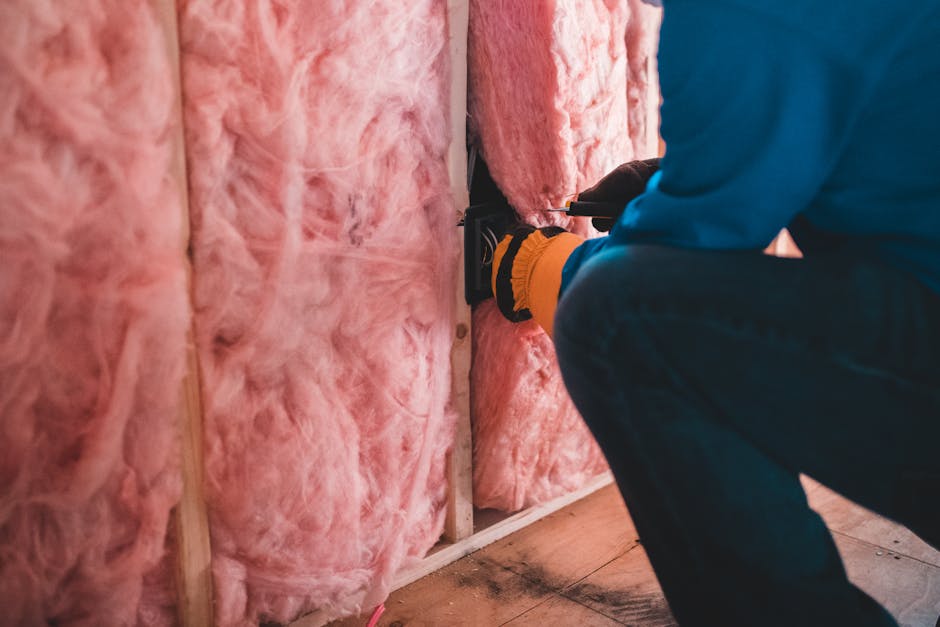
If there is a patron saint of DIY soundproofing, it’s Rockwool (formerly Roxul) Safe n Sound. Unlike standard pink fiberglass insulation, Rockwool is made from volcanic rock spun into a dense, wool-like material. It is significantly heavier and has much better sound attenuation properties.
Reddit users often report that after stuffing their basement joists with Rockwool, the only thing that still escapes is the deep thump of a subwoofer. It also has better structural integrity, meaning it won’t sag or compress over time like fiberglass.
Comparison: Rockwool vs. Fiberglass
| Feature | Rockwool Safe n Sound | Standard Fiberglass |
|---|---|---|
| Density | High (Approx. 2.5 lbs/ft³) | Low (Approx. 0.5-1.0 lbs/ft³) |
| Sound Absorption | Excellent (especially mid-lows) | Moderate |
| Fire Resistance | High (Melting point > 2000°F) | Moderate |
| Price | Slightly Higher | Budget-friendly |
Mass Loaded Vinyl (MLV) and Weatherstripping
MLV is a thin but incredibly heavy rubber-like sheet. It’s like hanging a lead curtain inside your wall. While it can be pricey, using small amounts in strategic places (like behind an outlet or on a door) is a great alternative-to-expensive-soundproofing-foam.
However, the most “frugal” material of all is simple weatherstripping. If air can get through, sound can get through. High-quality rubber seals for your doors and windows are the single best ROI in the soundproofing world. Even blanket-soundproofing-a-diy-approach won’t work if there’s a half-inch gap under your door.
Addressing the Weakest Links: Windows, Doors, and Vents
You can build a three-foot-thick concrete wall, but if you leave a window open, the soundproofing is effectively zero. In any cheap soundproofing reddit project, we must address the “weakest links” first.
Windows: The Sound Leaks
Windows are almost always the thinnest part of your wall.
- Secondary Glazing: This involves adding a second pane of glass (or acrylic) with a significant air gap (around 100mm to 150mm). Pro-tip from r/Acoustics: use 8.8mm laminated glass for the secondary pane for maximum effect.
- Window Inserts: Companies make custom acrylic inserts, but you can find window-soundproofing-solutions-that-wont-break-the-bank by DIYing your own with wood frames and thick plexiglass.
- The “Jamming” Plug: If you only need silence occasionally, cut a piece of rigid foam insulation board to the exact size of your window frame. Friction-fit it into place when you’re recording or sleeping.
Doors: From Hollow to Solid
Most interior doors are “hollow core”—essentially two thin sheets of veneer with cardboard honeycombs inside. They are acoustic drumheads.
- Replace with Solid Core: A solid wood or solid-core MDF door is a massive upgrade.
- Seal the Perimeter: Use a heavy-duty door sweep and silicone weatherstripping.
- The Blanket Hack: For a truly budget fix, hang a heavy moving blanket or specialized “soundproof” curtain over the door. Check out our guide on soundproofing-doors-without-overspending for more.
Vents and Baffle Boxes
Vents are literal “sound pipes” connecting rooms. If you can’t block a vent entirely (due to HVAC needs), Reddit users suggest building a “baffle box.” This is a maze-like wooden box lined with Rockwool that allows air to flow but forces sound waves to bounce off absorbent surfaces until they die out. This is a key part of bedroom-noise-reduction-techniques-on-a-budget.
DIY Construction Techniques for Maximum Decibel Drops
If you are at the stage of “opening up the walls,” you have a golden opportunity to use techniques that professional studios use—without the professional price tag.
Decoupling: Breaking the Path
Sound travels through solid objects. If your drywall is screwed directly to the same studs as your neighbor’s drywall, the sound vibrates the stud and passes right through.
- Staggered Studs: By using a wider base plate (like a 2×6) and alternating 2×4 studs so that the left-side drywall and right-side drywall never touch the same stud, you “decouple” the wall.
- Resilient Channels: These are metal rails that you screw to the studs, and then screw the drywall to the rails. The metal acts like a spring, soaking up vibrations. This is a core concept in our guide-to-cheap-studio-soundproofing.
Air Gaps and Floating Floors
The “room-within-a-room” concept relies on an air gap. Even a one-inch gap between two walls can drastically reduce sound transmission. For floors, especially in apartments, look into affordable-floor-solutions-for-better-soundproofing. Using “U-boats” (rubber floor joist isolators) or even thick recycled rubber mats under your subfloor can help “float” the floor and reduce impact noise.
Don’t forget the small details, like joist sealing. Using acoustic sealant (a non-hardening caulk) around every electrical box and light fixture is one of those easy-diy-soundproofing-hacks-2 that professionals swear by.
Debunking Common Myths: What Doesn’t Work
We’ve all seen the “hacks” on Pinterest or TikTok, but the cheap soundproofing reddit community is where these myths go to die. Let’s set the record straight:
- Egg Cartons: They are made of thin paper. They have zero mass. They do not block sound. They barely even absorb sound. All they do is create a fire hazard and make your room look like a trash heap. If you’re tempted, read cardboard-soundproofing-hacks-for-your-studio to see why it’s a bad idea.
- Thin “Acoustic” Foam: Those 1-inch colorful foam triangles you see on Amazon? They are great for stopping high-frequency flutter echo (the “zing” when you clap your hands), but they won’t stop your neighbor’s TV. They are an easy-diy-soundproofing-hacks trap for beginners.
- Expanding Foam: Great for stopping drafts, but it’s too light and airy to block significant sound. Unless you are using specialized high-density “acoustic” spray foam, standard Great Stuff won’t do much for noise.
- Leaning Mattresses: While a mattress is thick, it’s not dense. Leaning a mattress against a wall might soak up a tiny bit of high-end reverb, but it’s mostly just taking up space. There are much better cheap-methods-to-absorb-sound-2.
Frequently Asked Questions about Budget Soundproofing
Can I soundproof a room for under $100?
True soundproofing (blocking sound) for under $100 is difficult, but you can significantly reduce noise. Focus your $100 on:
- High-quality rubber weatherstripping for the door ($20).
- A heavy-duty door sweep ($15).
- A DIY window plug made from a sheet of MDF and some leftover insulation ($40).
- Acoustic sealant to plug gaps around outlets and baseboards ($25).
Are moving blankets effective for blocking noise?
They are better than nothing, but they “absorb” more than they “block.” If you double or triple them up, they can provide enough mass to take the edge off mid-range frequencies (like human voices). They are a favorite for rentals because they are non-destructive.
Is it possible to soundproof a rental apartment?
You can’t tear down walls, so you have to focus on “add-on” mass. Use heavy “soundproof” curtains (which are actually just high-density blackout curtains), large area rugs with thick felt pads, and temporary window inserts. These are “removable” solutions that won’t cost you your security deposit.
Conclusion
At TechAvanco, we believe that home comfort shouldn’t require a second mortgage. The collective wisdom of the cheap soundproofing reddit community shows us that while “perfect” silence is expensive, “better” silence is achievable for almost anyone.
By focusing on mass, sealing every air leak, and ignoring the myths of egg cartons and thin foam, you can reclaim your peace and quiet. Soundproofing is a game of incremental gains—each gap you seal and each layer you add brings you one step closer to a tranquil home.
For more deep dives into specific room setups or material reviews, check out our More info about DIY soundproofing services page. Happy building, and may your home be as quiet as a library (or at least quieter than it is now)!
